Kilgore College partnership with Kilgore High School, other local districts helps students streamline training |
Career & Technical Education courses at Kilgore ISD are preparing students for the workforce beyond high school – some are ready to dive right into careers after graduation, while others remain college-bound.
In many cases, by the time KHS seniors cross the stage, they’ve already amassed a stack of dual credits and certifications through Kilgore College.
According to KC’s dean over dual credit, Brandon Walker, there’s a thriving partnership between the junior college and Kilgore High School, both for academic and CTE dual credit classes.
For example, CTE Health Science offerings are tailored toward credentials as Patient Care Technicians, Phlebotomists or EKG techs: “The students can come out with up to three certifications on that pathway,” Walker said. “It makes them highly-employable when they graduate high school” and KC.
“The nice thing is some of those hospitals, if you get in the door with a certain job, they will pay for your continued schooling.”
Kilgore College Workforce Dual Credit Counselor Brian Kasper is a retired principal and former CTE Director for Longview ISD. Initially part-time at KC, his role has expanded to a full-time position as more high schools have integrated more CTE pathways.
“He comes along on the college side and builds out for the high schools what college courses would fit into those pathways,” Walker explained. “We present those to schools, and they choose which ones they decide to do dual credit and not.”
Welding, Health Science, Education & Training – they’re all well-established at this point. Cosmetology occasionally has high schoolers on the roster. So does the college’s Fire Protection program. More programs, like Criminal Justice, are in the works for semesters ahead.
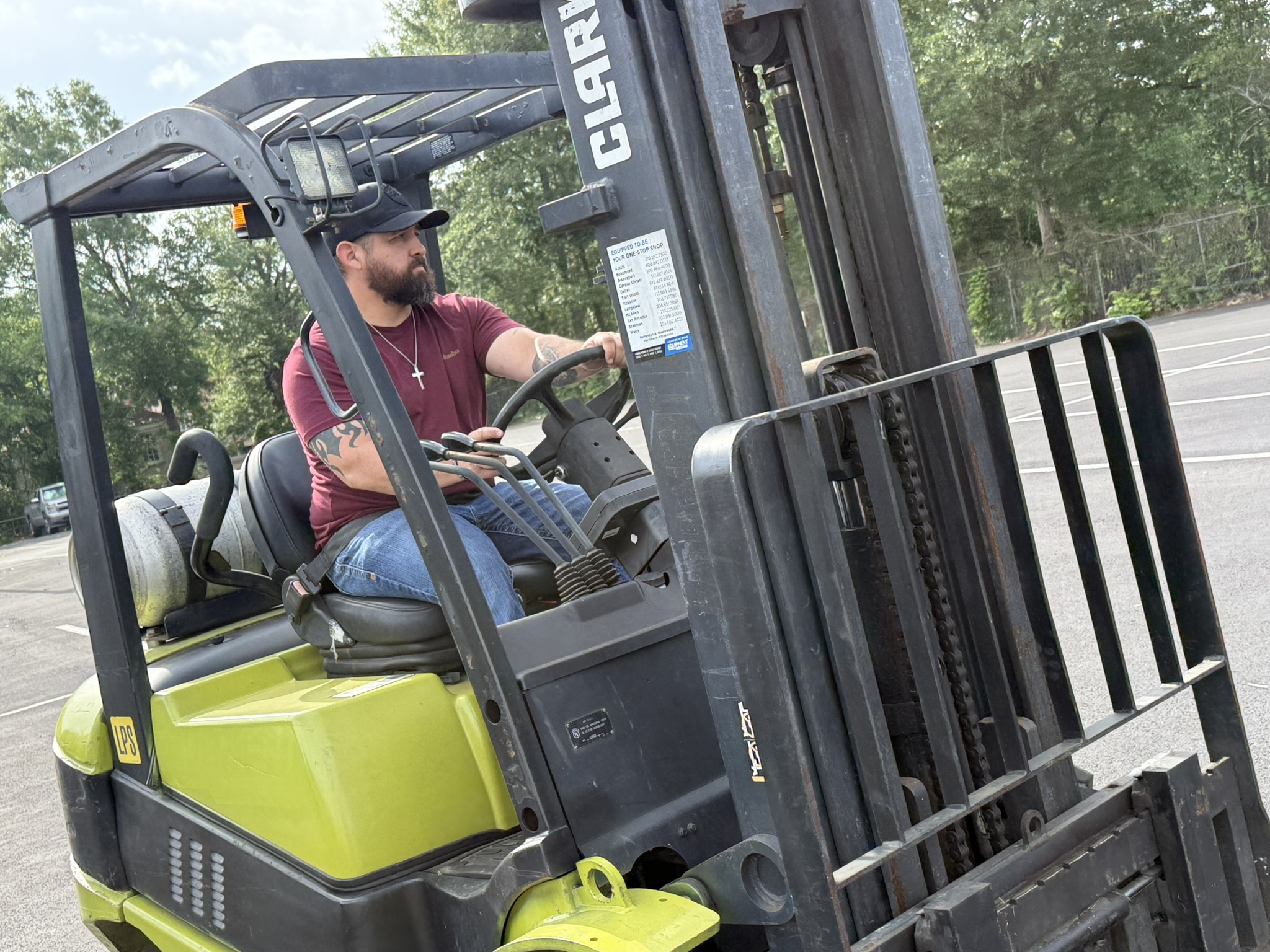
Likewise, “We’re working on automotive. They’ll be here next year,” Kasper said. Following guidance from the state-level, “Everything we have that’s a pathway is tied to some program the state TEA has in place. I really don’t offer anything dual credit at this point that is additional to TEA except we’re working with the school on forklift training,” a pilot program at KHS since students must be 18-and-older.
February is Career & Technical Education month nationally and statewide. The steady evolution of CTE at Kilgore High School, Kilgore College and other institutions is a boon for established companies as well as future prospects, says Kilgore Economic Development Corporation Executive Director Lisa Denton.
Students are being refined for the workforce, she added, whether specifically to their chosen pathway or foundationally for opportunities they haven’t yet explored.
“As they go through these classes, it may not be training for one specific job or industry,” she said, “but throughout their learning, they’re learning how to adapt to different situations.
“Even if it’s a different industry or environment, it’s the critical thinking and the collaborative skills that they learn that help them no matter what direction they may go in later.”
The wide array of skills set out by Texas Education Agency and adopted at the local level ensures Kilgore’s industry stakeholders have ready-access to highly-skilled, well-prepped residents primed for top jobs here.
“Throughout any of the classes they take, there are some foundational skills – communication, project management, troubleshooting – that cross all different sectors throughout CTE that they can take to any job they may have throughout their lifetime,” Denton added. “If they’re able to come out of those learning environments with the necessary skills to land a good job, a high-demand, high-paying job, they’re more likely to stay here locally and invest here.
“They buy homes. They support local businesses. They eat here. They’re investing back in their communities, whether that’s becoming involved in civic organizations or becoming future community leaders. That starts with being able to find those jobs right here at home.”
It’s all constantly evolving, Kasper says. CTE’s dramatically different from what it was 15 years ago, a decade ago.
“It’s really become tied to workforce development, which is what it was particularly designed for,” he emphasized. “Back when I took woodshop class, we built cutting boards. It didn’t lead to the workforce. It was good hands-on training we could use around the house.”
Today, the State of Texas is pushing workforce development, Kasper added, and schools are responding enthusiastically, leading the charge to prepare graduates for their careers.
At KC, “It’s really been a game-changer in our enrollment. I believe it’s a good thing for kids,” Kasper said, creating opportunities across the board, including for first generation college students. “They can come out with recognized industry certifications and employable skills. They can go out into the workforce.”
For programs like Welding and Education & Training, classes lead directly into one of KC’s workforce degrees, Walker added.
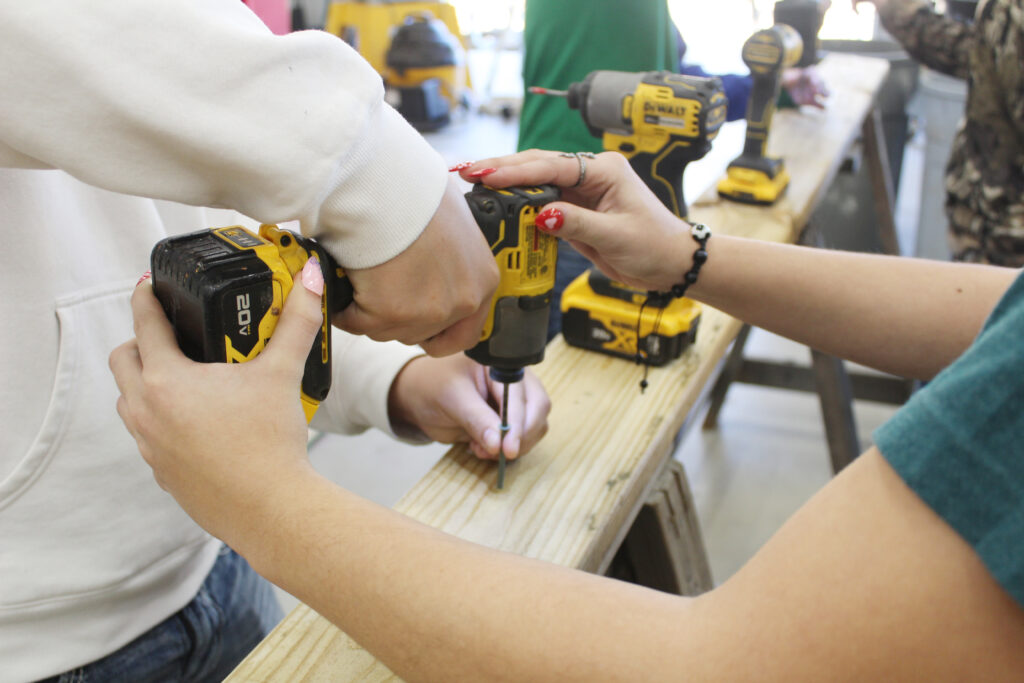
“The foundational knowledge they get from those is tremendous.”
Kilgore College is familiar territory for Kilgore High School Senior Alynna Cervantes, wrapping up four years on the Welding pathway.
Among multiple instructors in the concentration, Cervantes has learned from KC Welding instructor Tate Nicks as well: “Sometimes I go practice at the college to see how I can better myself,” she said, grateful for the wide range of skills her teachers are cultivating in her from their practical experience: “They have all worked as welders in their time. They’re retired from welding right now so they dedicate their time to teaching us.”
Cervantes intends to spend more time there in the near future: “I’m going to KC for my Associates in Welding.” After that, “I believe I’m going to work at a plant in East Texas.”
While skill development picks up steam in 10th grade, the CTE ball gets rolling a couple of years before.
“We’re asking our eighth graders to make a career choice pretty young, but if you look at it in a different light, it’s career exploration,” Kasper said. “Those kiddoes have the opportunity to explore some career choices and pick one.”

Some students decide that’s not the path for them – and that’s OK. At least they’ve come to that realization in high school, saving time and money in college for their ultimate goal.
Meanwhile, students are plugging into social groups built around shared passions. There’s band and athletics, theater and choir – today, students circle up for architecture, construction, welding and more.
“It allows the young kids to get in there and become engaged with a group of people with a common language,” Kasper said. “It gives you a place to fit. ‘This automotive program is my family. This nursing program is my family.
“That actually builds in some retention for our kids and helps them to be successful.”